Smithsonian World Music Pedagogy Workshop Faculty
Eden Brent
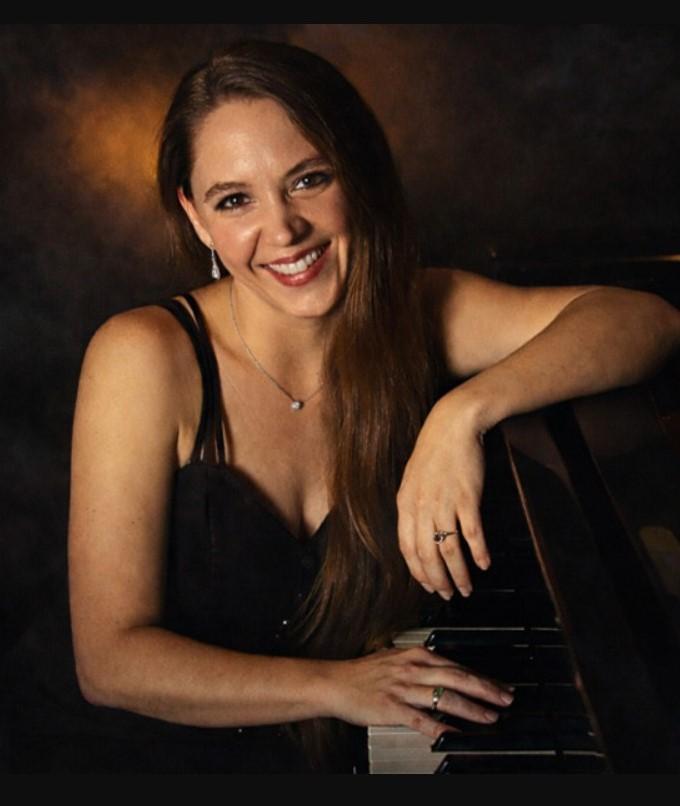
Eden Brent is a piano-pounding, juke-joint hollering, powerhouse of American roots music. A legendary performer and southern songwriter, she spent the first two decades of her career under the tutelage of famed pianist Abie “Boogaloo” Ames before winning the Blues Foundation’s Challenge and bouncing onto the international scene. Since then, she lands steady honors and tours the world playing festivals, concerts and juke joints as a solo artist and also with her band. In addition to her lively performances, Brent offers educational programs such as Blues in the Schools, Boogie-Woogie and Blues Piano demonstrations and workshops, and she is a popular panelist at Piano Blues, Blues Women and Mississippi Blues discussions. A former MAC Folk Arts Fellowship recipient, the three-time Blues Music Award winner is recognized as one of today’s leading blues artists and continues the legacy of Mississippi’s trailblazing blues women like Lucille Bogan, Memphis Minnie, Lil Green and Denise LaSalle.
Patricia Shehan Campbell
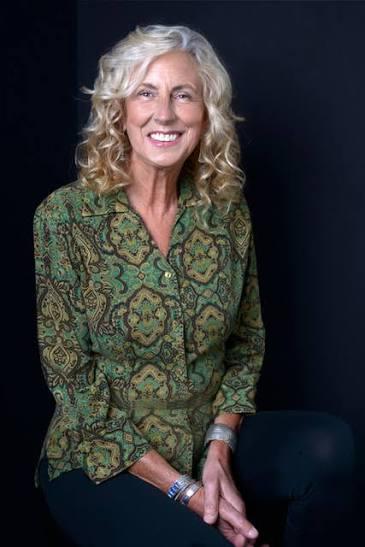
Patricia Shehan Campbell is Professor Emeritus of Music at the University of Washington, where she taught courses at the interface of education and ethnomusicology. A singer and pianist, with studies of the Japanese koto, Celtic harp, Karnatic Indian mridangam, and Bulgarian and Wagogo song, she has lectured internationally on the pedagogy of world music and children’s musical cultures. She is the author of “Music, Education, and Diversity: Bridging Cultures and Communities” (2018), “Songs in Their Heads” (1998, 2010), “Teaching Music Globally” (2004), “Lessons from the World” (1991), “Music in Cultural Context” (1996), and “Musician and Teacher” (2008). She is co-author of “Music in Childhood” (2017, 4th edition) and “Redefining Music Studies in an Age of Change” (2017) and co-editor of the “Global Music Series, Global Music Cultures” (2020), and the “Oxford Handbook on Children’s Musical Cultures” (2013). Past chair of the Advisory Board of Smithsonian Folkways and educational consultant in the repatriation of Alan Lomax recordings to the American South, she is editor of the seven-volume series on World Music Pedagogy for practicing and prospective teachers.
Dr. Robert J. Damm
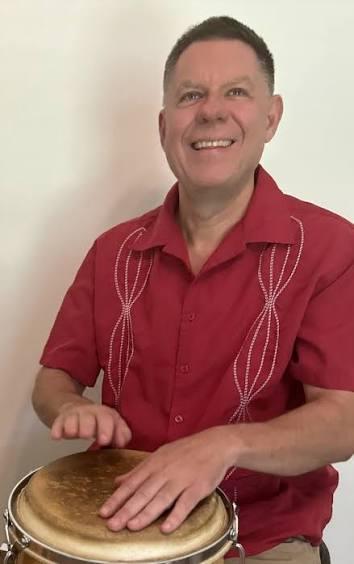
Dr. Robert J. Damm is Professor of Music and Director of Music Education Partnerships at MSU. An active percussionist, his recitals have showcased many world music instruments such as African xylophones, berimbau musical bow, cajon, congas, djembe, darbuka, frame drums and steel drums. He studied music and culture in Cuba, Ghana and Mali. He published articles concerning the positive effects of drumming on children with autism, the jembe in Mali, Mississippi Hill Country fife and drum, the bamboula rhythm of New Orleans, the fanga rhythm and dance, classic rudimental snare drum repertoire, samba and the udu (musical clay pot) of Nigeria. His current research is on drum circles as well as musical traditions of the African diaspora (i.e. Pinkster, Congo Square and Junkanoo). He is a certified Orff-Schulwerk teacher and a Smithsonian Folkways certified teacher of world music. He is the coordinator for the Minor in Music and Culture which he developed for students with an interest in non-Western music, especially the music of Africa and the African Diaspora. The minor features an interdisciplinary approach to exploring music. He teaches courses in the Music and Culture curriculum including Music of Africa, Music of Latin America, African American Music and Native American Music. His teaching reflects his commitment to community engagement, best practices in interdisciplinary collaboration, experiential learning and the African philosophy of human interconnectedness known as Ubuntu.
George Walasi Kwasi Dor
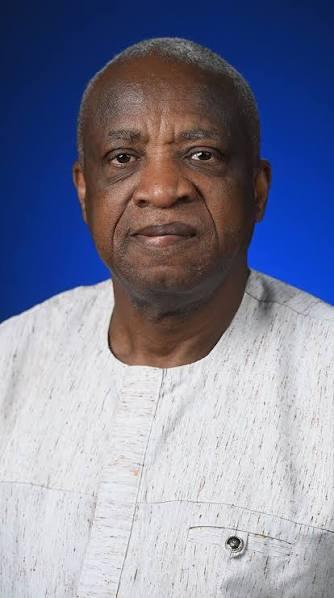
George Walasi Kwasi Dor is the McDonnell Barkdale Chair of Ethnomusicology, Professor of Music and the founder and director of the African Drum and Dance Ensemble at the University of Mississippi. His publication, “West African Drumming and Dance in North American Universities: An Ethnomusicological Perspective,” is currently held in over 1,300 libraries in the world. He is renowned as a composer, performer and teacher of contemporary Ghanaian art music with more than 60 choral and symphonic works to his credit. His symphonic works are favorites of the Ghana National Symphony Orchestra and have been performed in the U.S. and Germany. He plays African drums, cello, alto saxophone and keyboard, and he founded and directs the UM African Drum and Dance Ensemble.
William Dan Isaac and Ralph Isaac
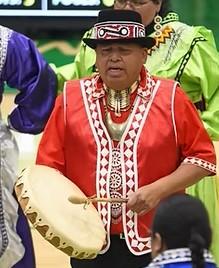
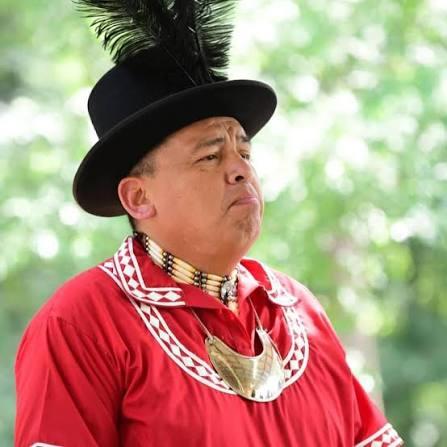
William Dan Isaac and Ralph Isaac are members of the Mississippi Band of Choctaw Indians. Encouraged by elders in his community, William Dan Isaac founded the Mystic Wind Choctaw Social Dance Group in 2004. Ralph Isaac is a chanter and drummer. The chanter, who forms the heart of the dance group, guides the movement of the dancers with their singing, while the two pieces of wood they tap together, known as striking sticks, create the rhythm and cadence of the dance. Choctaw dances exemplify a spirit of cooperation because of the way the chanters and dancers work together. There are three kinds of Choctaw dances: war dances, social dances and animal dances. War dances were historically performed in preparation for battle; social dances celebrate important life events, from friendship to courtship and marriage; and animal dances, such as the Turtle Dance and Racoon Dance, establish harmony with the natural world.
Sharde Thomas and Chris Mallory
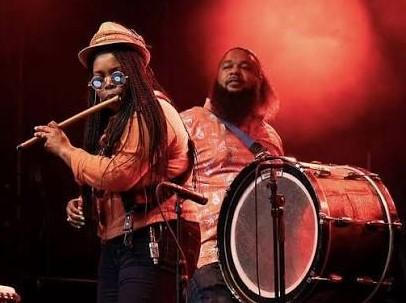
Sharde Thomas and Chris Mallory make up the Rising Stars fife and drum band. Together, they tour nationally and internationally, performing at some of the most respected venues and festivals across the United States, Europe and Africa. The duo earned the 2025 Mississippi Governor’s Arts Award for Excellence in Traditional Arts. Their playing honors the communal rhythms, call-and-response patterns, and spiritual roots of fife and drum music, while their presence signals a new generation’s commitment to carrying the music forward. Through performances, recordings and educational outreach, they ensure that the sound, history and spirit of Mississippi fife and drum music remain vibrant and relevant. Rooted in ancestry yet boldly moving the tradition into the future, The Rising Stars Fife and Drum Band represents both continuity and evolution.
Libby Rae Watson
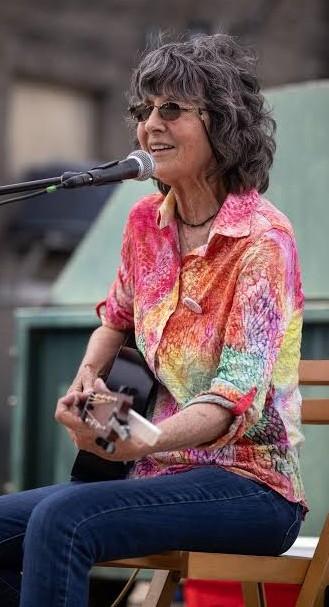
Libby Rae Watson is a blues musician born in Pascagoula, Mississippi. Her distinctive voice, storytelling and finger style picking has attracted fans worldwide. She has dedicated her musical life to educating the world about Mississippi’s musical history. She is available for solo, duo or group performances in any venue, large or small. Her albums include two early releases of original Gulf Coast music with her band The Liberators followed by the 2013 release of a solo album “Sweet ‘n’ Salty,” a 2016 release of “Times Ain’t Now Like They Used to Be,” a collaboration with the Jericho Road Show, and a 2017 release of “I Done Told Ya” with Wes Lee as the duo Sweet ‘n’ Salty. Libby Rae has performed at the New Orleans Jazz and Heritage Festival, the King Biscuit Festival and the Juke Joint Festival. She was a finalist at the International Blues Challenge in 2018 and a semi-finalist in 2015 and 2016. In 2016, she was awarded Artist of the Year by the Delta Blues Society of Indianola.